Free · Offline · No account
Become the expert
Become the expert
of your own body.
Nobody feels what you feel.
Your data never leaves your device.
Nobody feels what you feel.
Your data never leaves your device.
Most people train blind and hope.
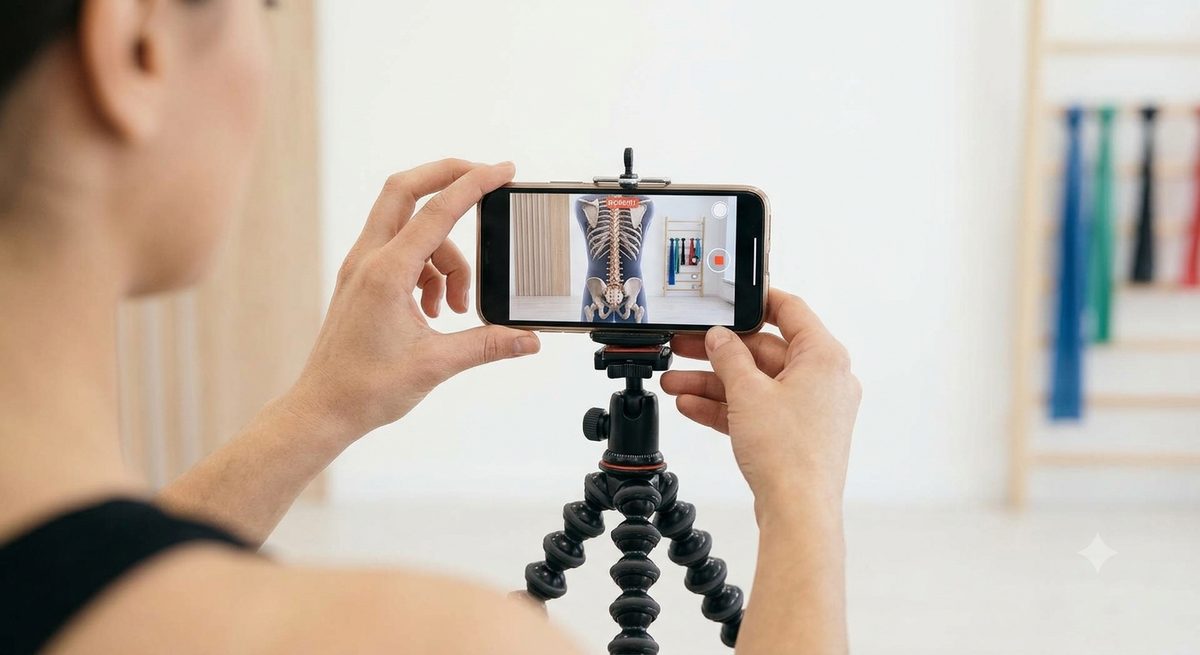
Stop saying "somewhere in my back".
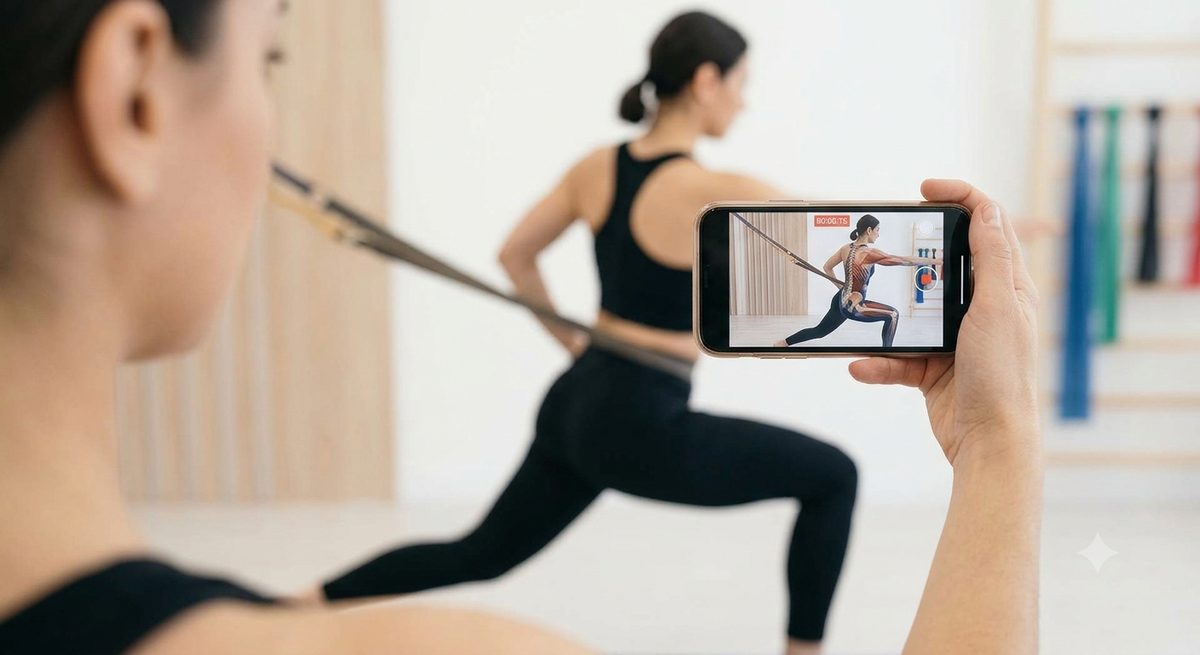
Record the movement.
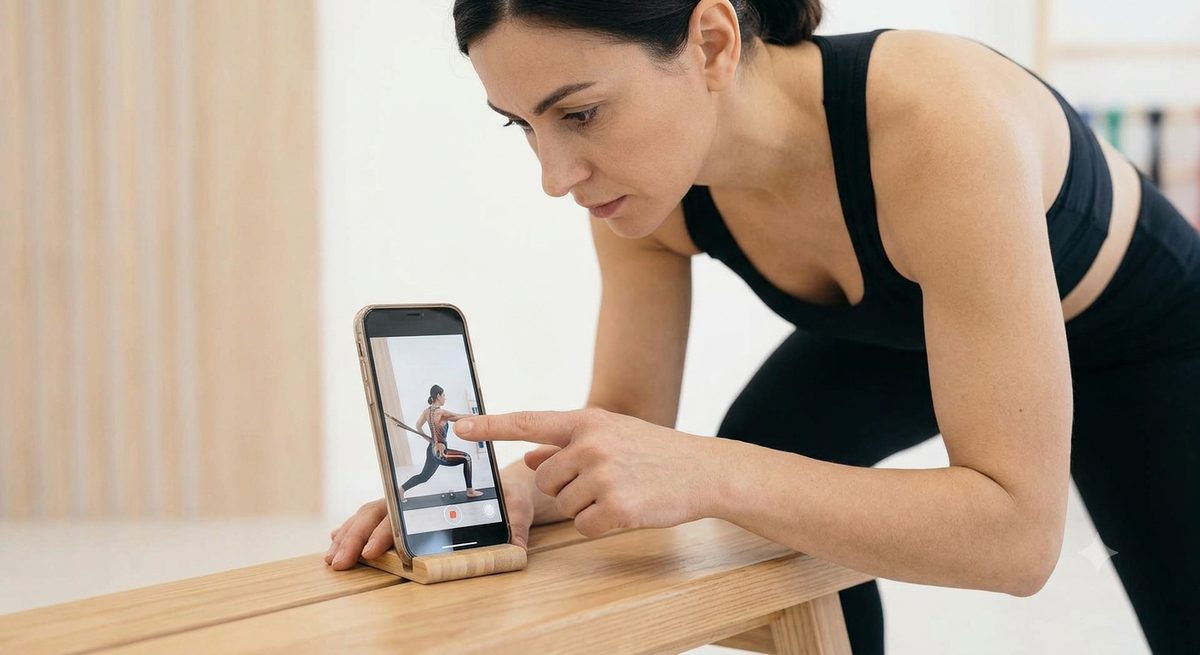
Replay the clip.
Sensations fade in minutes.
Training mode is a camera.
Observations are timestamped.
"When I pull my arms together, the ribcage opens."
Rotate a body model.
A GitHub-style activity heatmap.
Clips and photos attach to every session.
One tap builds a markdown summary.
Pinpoint, don't describe.
Watch it change.
Connect pain to practice.
Pick them yourself…
…or let your body pick.
Take it anywhere.
Five minutes later you know more about that pain than three months of guessing gave you.
You create a challenge — no name, no form. Rotate the 3D body, zoom into the chest, tap the exact spot. 6 out of 10.
Tap that region on the pain map and Mobility Log suggests matching videos from Luke Brandenburg's channel. You pick a drill.
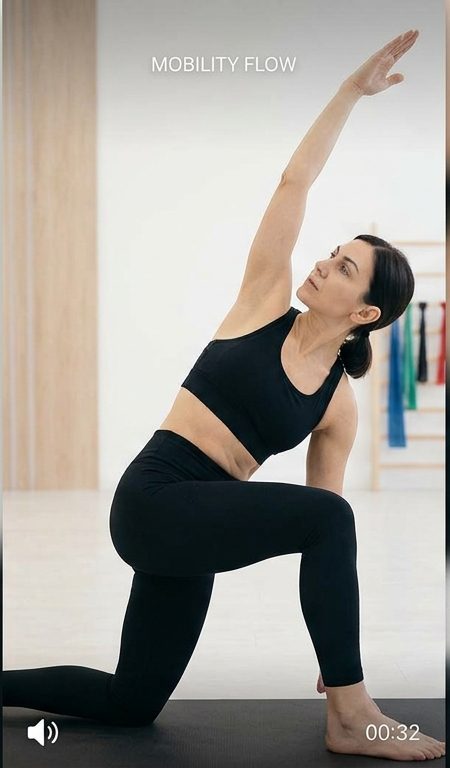
Timer: 3 rounds, 30 seconds per side, 15 seconds rest. It beeps and buzzes on every switch — no need to watch the screen.
Camera on, recording. Something clicks halfway through, so you type it straight into the field below the viewfinder. Timestamped onto the session. Then rate how it felt.
In the diary you pin that observation as a key outcome. Next check-in it's 3 out of 10 and the region visibly cools down. For your physio: one briefing with observations, pain history and every clip.
That's the whole loop: mark it, understand it, train it, record it, keep it. Two minutes of work per session — and a body you can finally explain.
Try it with your own pain point